- One-piece membrane, no seams
- 30–50 year typical lifespan
- Warm-roof insulation upgrades
- Cold-applied, no naked flame
- 10-year insurance guarantee
EPDM rubber roofing in Cambridge
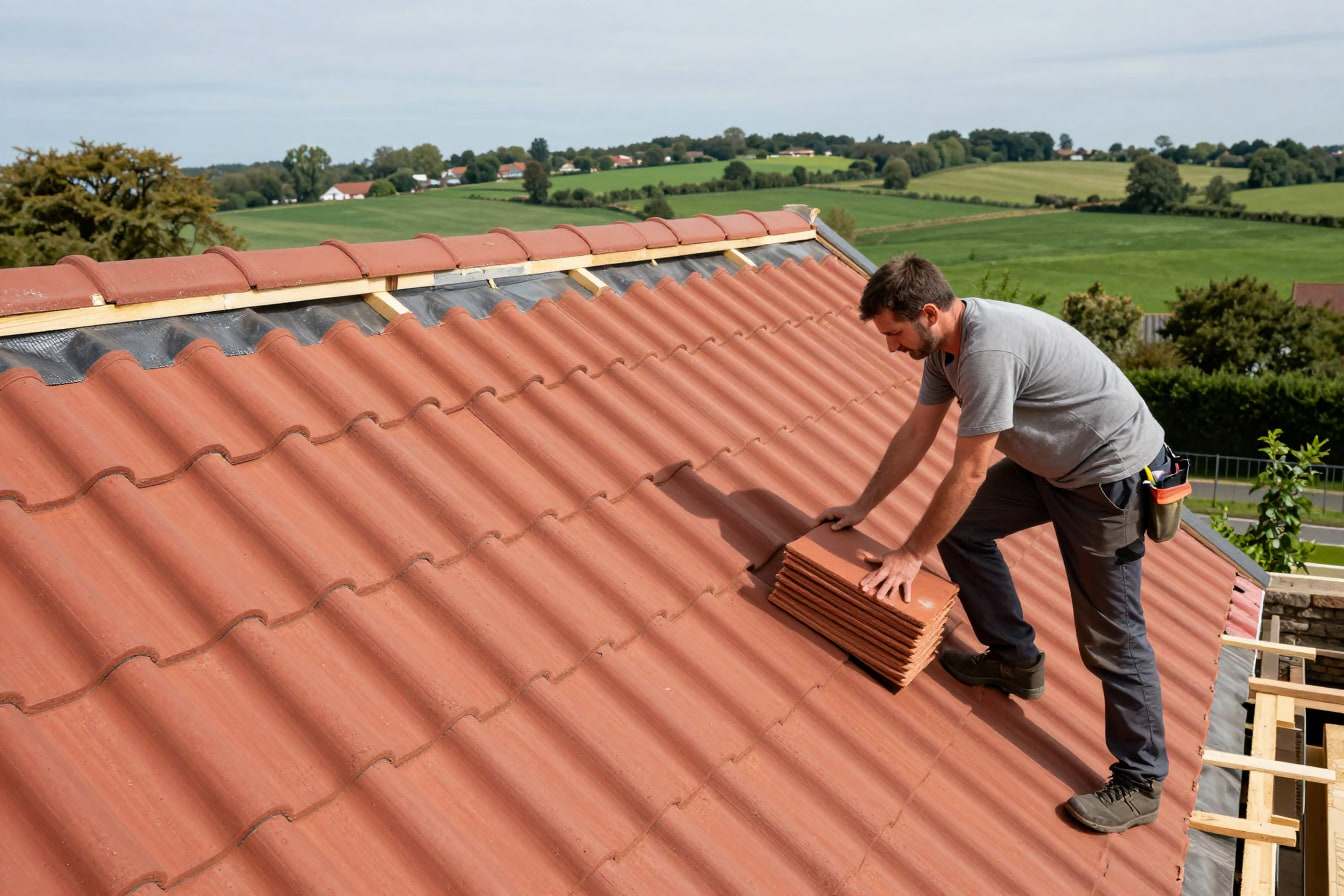
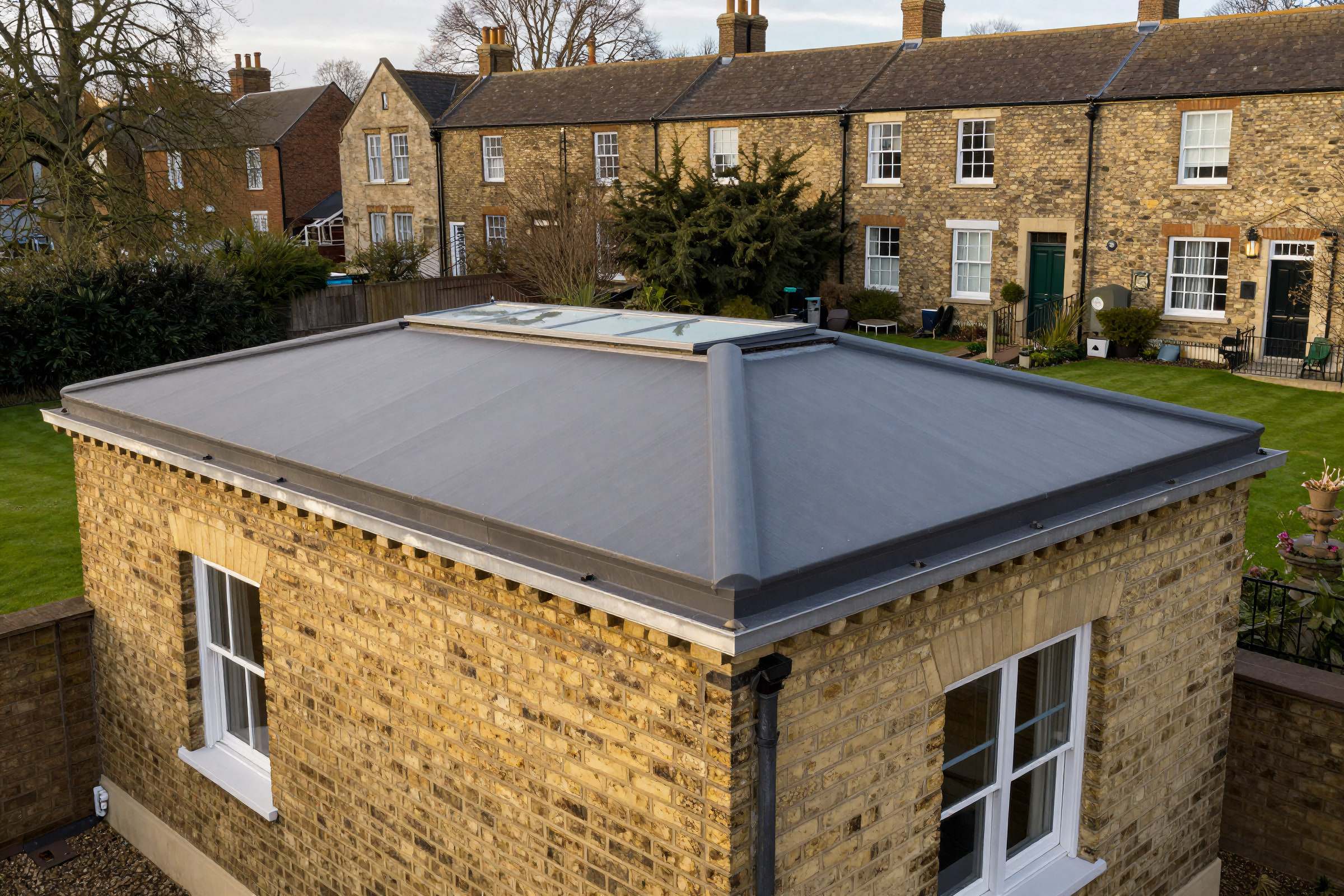
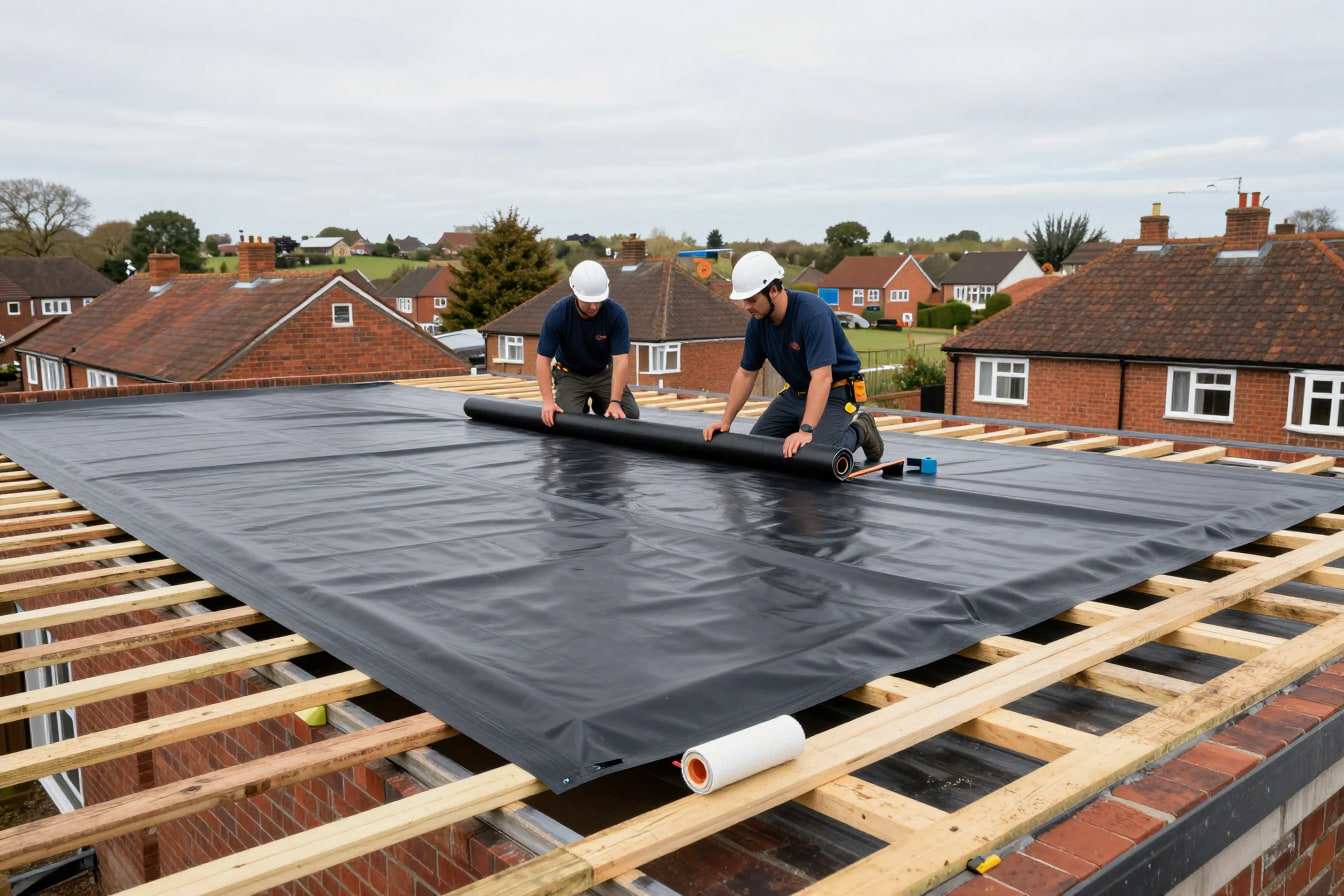
EPDM (ethylene propylene diene monomer) is a synthetic rubber membrane, and on most domestic flat roofs it goes down as one sheet cut to the size of the roof. No seams means no joins to open up, which is the main reason we recommend EPDM rubber roofing in Cambridge for so many rear extensions on Victorian terraces, flat-roofed garages on post-war estates, dormers and porches. We also fit GRP and felt, so if EPDM isn’t the best choice for your roof, we’ll say so. Our flat roofing page compares all three.
How an EPDM roof is built
- Strip and check the deck. The old covering comes off and we check every board. Soft or rotten decking is replaced, because a membrane is only as good as what it is bonded to.
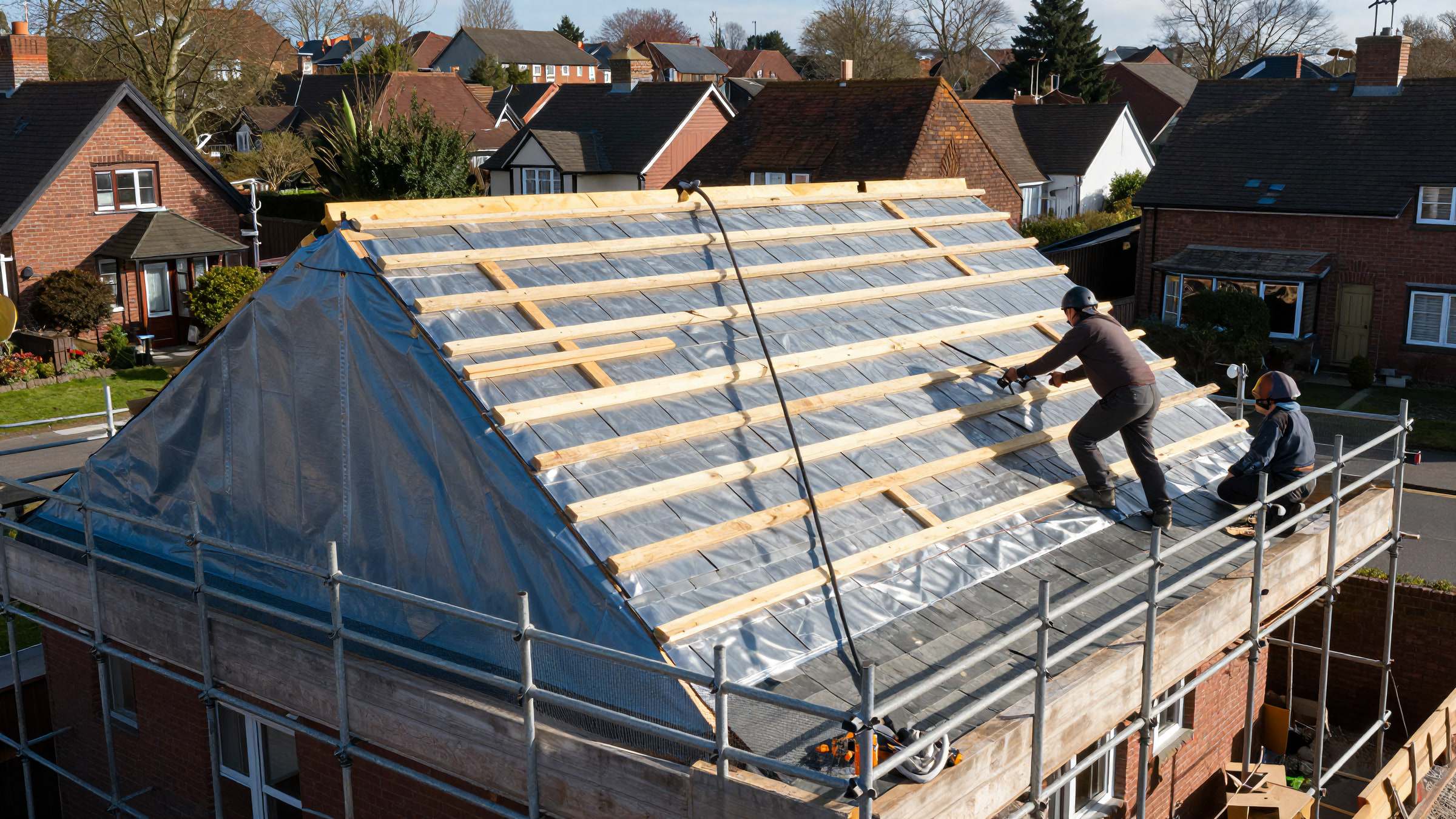
- Insulate, if needed. For a warm roof, a vapour control layer and rigid insulation boards go on the deck, with a new board on top.
- Bond the membrane. The sheet is laid out, folded back and bonded with adhesive across the main area, with a stronger contact adhesive at the edges and upstands. We brush and roll it down to push out trapped air.
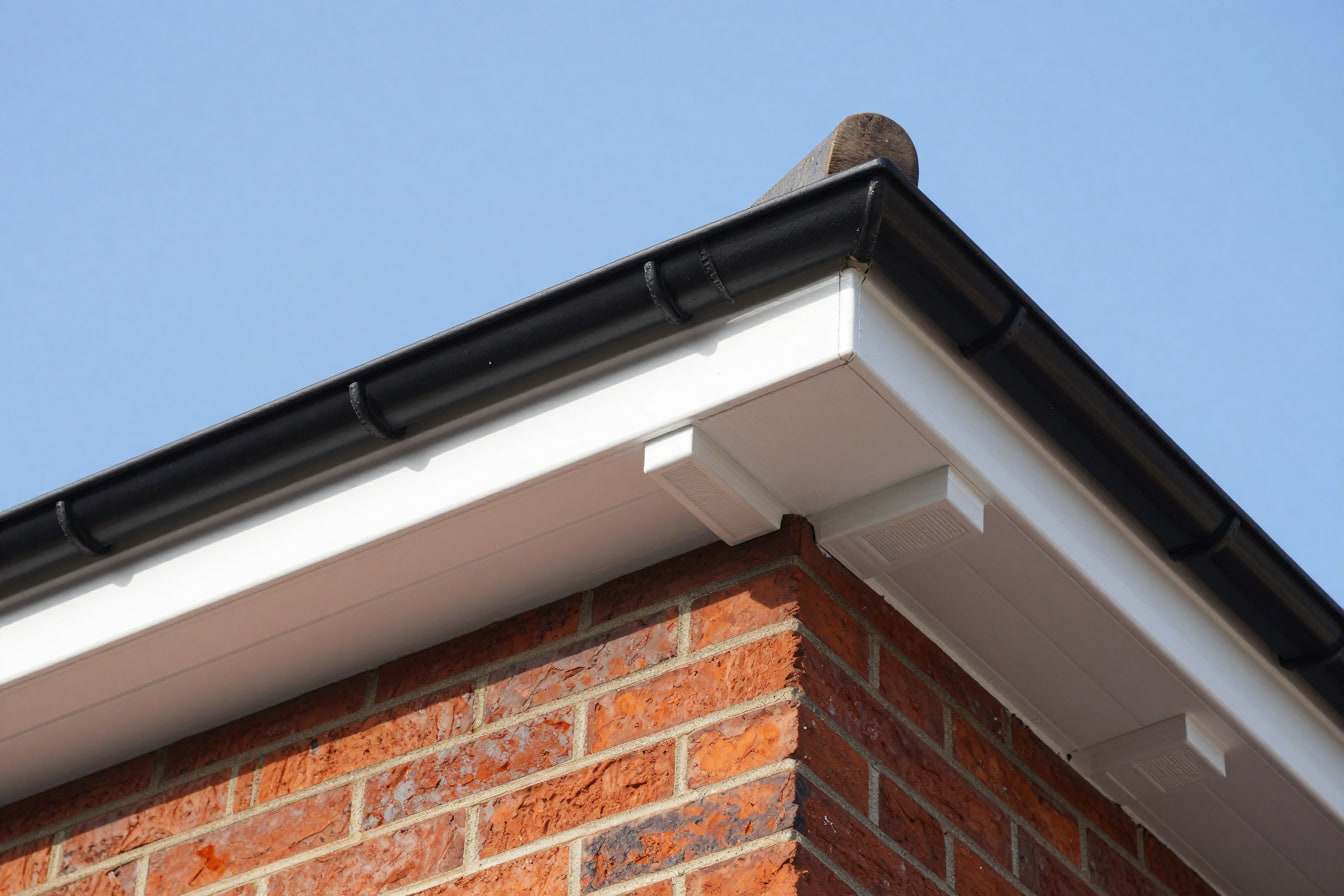
- Fit the trims and details. Drip trims at the gutter edge, kerb trims on the other edges, upstands taken up the walls and covered by flashings, and pre-formed corners, outlets and rooflight kerbs.
- Check and hand over. We inspect every edge and detail, clear the site and give you photos of the finished roof.
Why one sheet matters
Traditional felt is laid in overlapping rolls, and every overlap is a potential leak. A one-piece EPDM membrane has none across the field of the roof. On larger roofs where a single sheet won’t do, the sheets are joined with purpose-made seam tape, and the joins are positioned to keep them away from where water collects.
Warm roof build-up and Building Regulations
Replacing the waterproof membrane on a flat roof counts as renovation under Approved Document L. If more than 50% of the roof is renovated, the whole roof should be brought up to current insulation standards (0.16 W/m²K where technically and economically feasible). For most homes that means a warm roof:
| Layer (top to bottom) | What it does |
|---|---|
| EPDM membrane | Keeps the water out |
| Rigid insulation boards | Keep the deck and timbers warm and cut heat loss |
| Vapour control layer | Stops warm, moist air from the room reaching cold surfaces |
| Timber deck | Gives a solid surface to build on |
| Joists | Carry the roof |
Keeping the timbers on the warm side of the insulation avoids the condensation problems that rot cold flat roofs from the inside. A warm roof does add thickness, so at the survey we check door thresholds, window sills and wall flashings to make sure everything still fits. Our guide to warm roof vs cold roof explains the difference in detail.
Why EPDM suits Cambridge flat roofs
Cambridge summers are hard on flat roofs. The Met Office confirmed 38.7 °C at Cambridge University Botanic Garden in July 2019, then the highest temperature ever recorded in the UK, and 2025 was the UK’s warmest and sunniest year on record. A dark flat roof gets far hotter than the air around it, and that daily heating and cooling is what cracks old felt. Checkatrade notes that EPDM has the flexibility to cope with expansion, contraction and heatwaves.
Winter matters too. The Met Office records around 40 days of air frost a year at its Cambridge station, and EPDM stays flexible in the cold, where a more rigid covering such as GRP can be prone to cracking over time. The trade-off is that rubber can be punctured, so it suits roofs that aren’t walked on every day.
When EPDM is the right choice, and when it isn’t
EPDM is usually the best value for:
- Rear and side extensions with simple shapes and a rooflight or lantern.
- Garages, porches and bay roofs, where a quick, long-lasting re-cover makes sense.
- Dormers, where a single sheet can wrap the roof with minimal joins.
- Replacing old felt that has blistered or cracked.
We’d suggest something else for balconies and roof terraces with daily foot traffic, where GRP fibreglass roofing is harder-wearing, or where you want a coloured finish rather than black. On very tight budgets for an outbuilding, modern felt roofing still has a place. Our EPDM vs GRP guide goes through the choice in depth.
Looking after an EPDM roof
EPDM needs very little maintenance, but a few habits help it reach the top of its lifespan:
- Clear gutters and outlets every autumn so water doesn’t back up.
- Keep foot traffic to maintenance visits, and never drag ladders or furniture across the membrane.
- After a storm, check from a window that trims and upstands are still in place.
- Watch for ponding. The Confederation of Roofing Contractors notes that all flat roofs have some, but water still standing weeks after rain should be looked at.
EPDM repairs
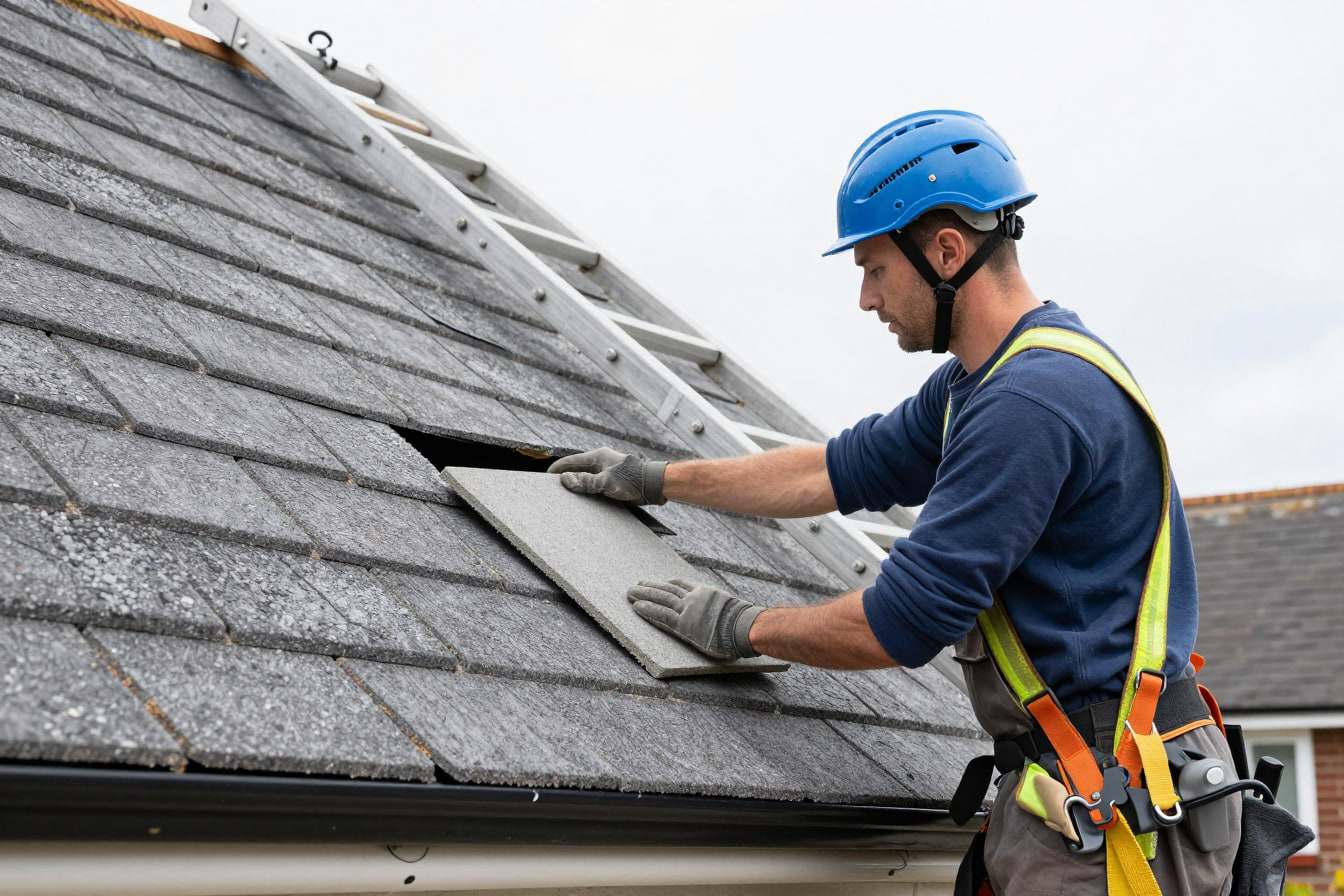
We repair EPDM roofs whoever fitted them. Most problems are in the details rather than the membrane: a trim that has pulled away, an upstand that was never properly bonded, or a puncture from a dropped tool. These are repaired by cleaning and priming the area and bonding a patch with the correct tape. Checkatrade’s Cambridge figures put small EPDM repairs at £116–£167 per m² (2026).
How much does EPDM roofing cost in Cambridge?
According to Checkatrade, EPDM costs about £80–£100 per m² supplied and fitted, and a typical new flat roof in Cambridge costs £1,430–£2,988, averaging about £2,059. A larger roof of around 32 m² is more like £2,800–£7,500 on its UK guide figures. Decking repairs, insulation, rooflight kerbs, scaffolding and disposal of the old roof all add to that, which is why we price every roof after a free survey. Our flat roof replacement cost guide breaks down every line item. New EPDM roofs come with our 10-year insurance guarantee, and repairs with our 5-year warranty.
| Job | Typical price | Typical time |
|---|---|---|
| EPDM rubber covering (supply & fit) | £80–£100 per m² | — |
| New flat roof, garage or small extension (typical Cambridge job) | £1,430–£2,988 | 1–3 days |
| Larger flat roof, around 32 m² (UK guide) | £2,800–£7,500 | — |
| Small EPDM repair (per m², up to about 3 m²) | £116–£167 per m² | — |
| Flat roof repair (typical Cambridge job) | £584–£1,738 | — |
| Skip for the old roof | about £300 | — |
Guide prices from Checkatrade's 2025/26 rubber roofing, flat roof replacement and roof replacement cost guides and its Cambridge roofing and repair data, excluding VAT, scaffolding, insulation and replacement decking unless stated. We fix the price in writing after a free survey. Get your exact price.
Signs it's time to switch to EPDM
- An old felt roof that keeps needing patches
- Blisters, cracks or bare patches in the felt surface
- Leaks at the edges or around a rooflight upstand
- Water still ponding days after rain
- A spongy or soft deck underfoot
- A cold room under an uninsulated flat roof