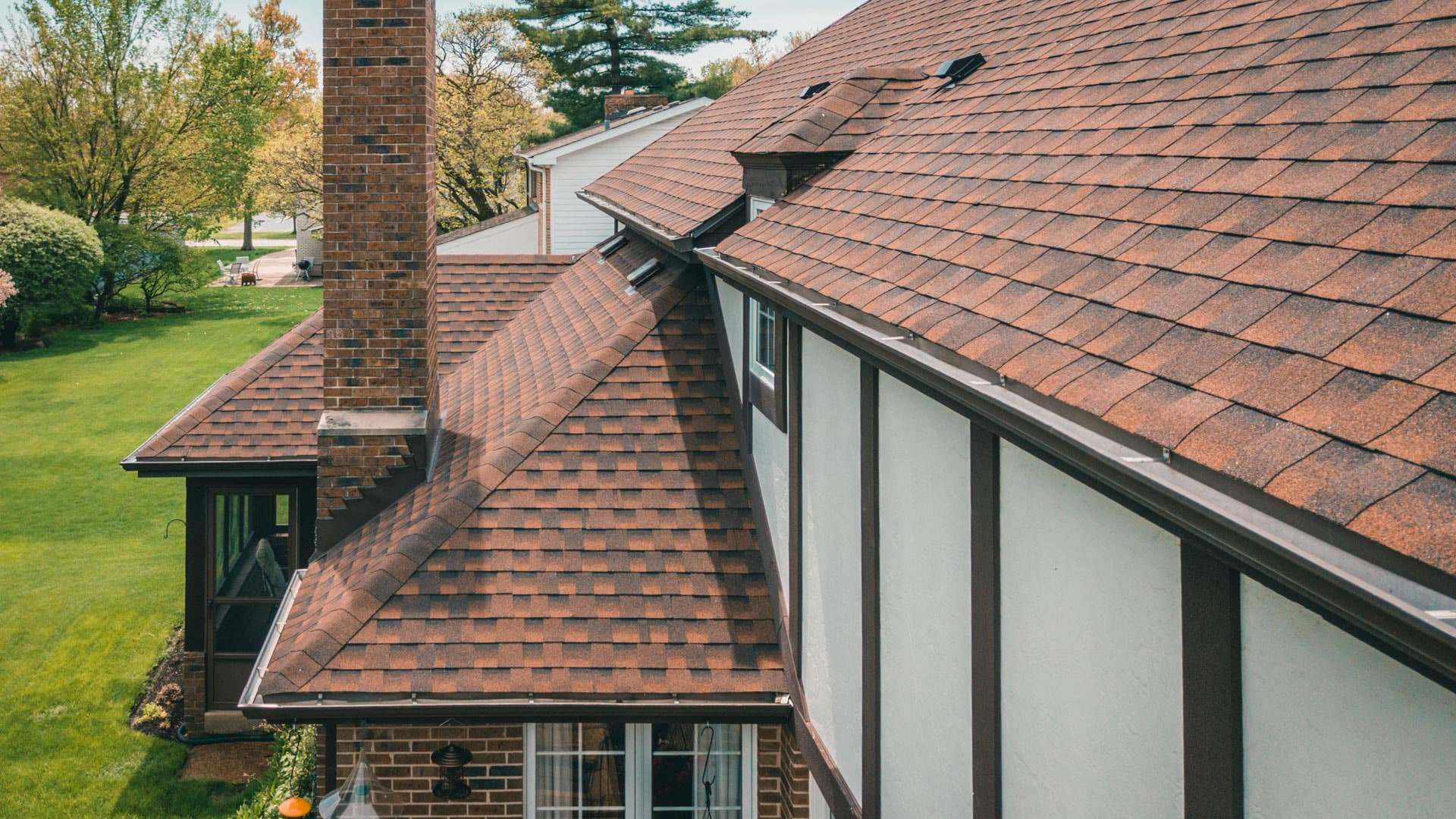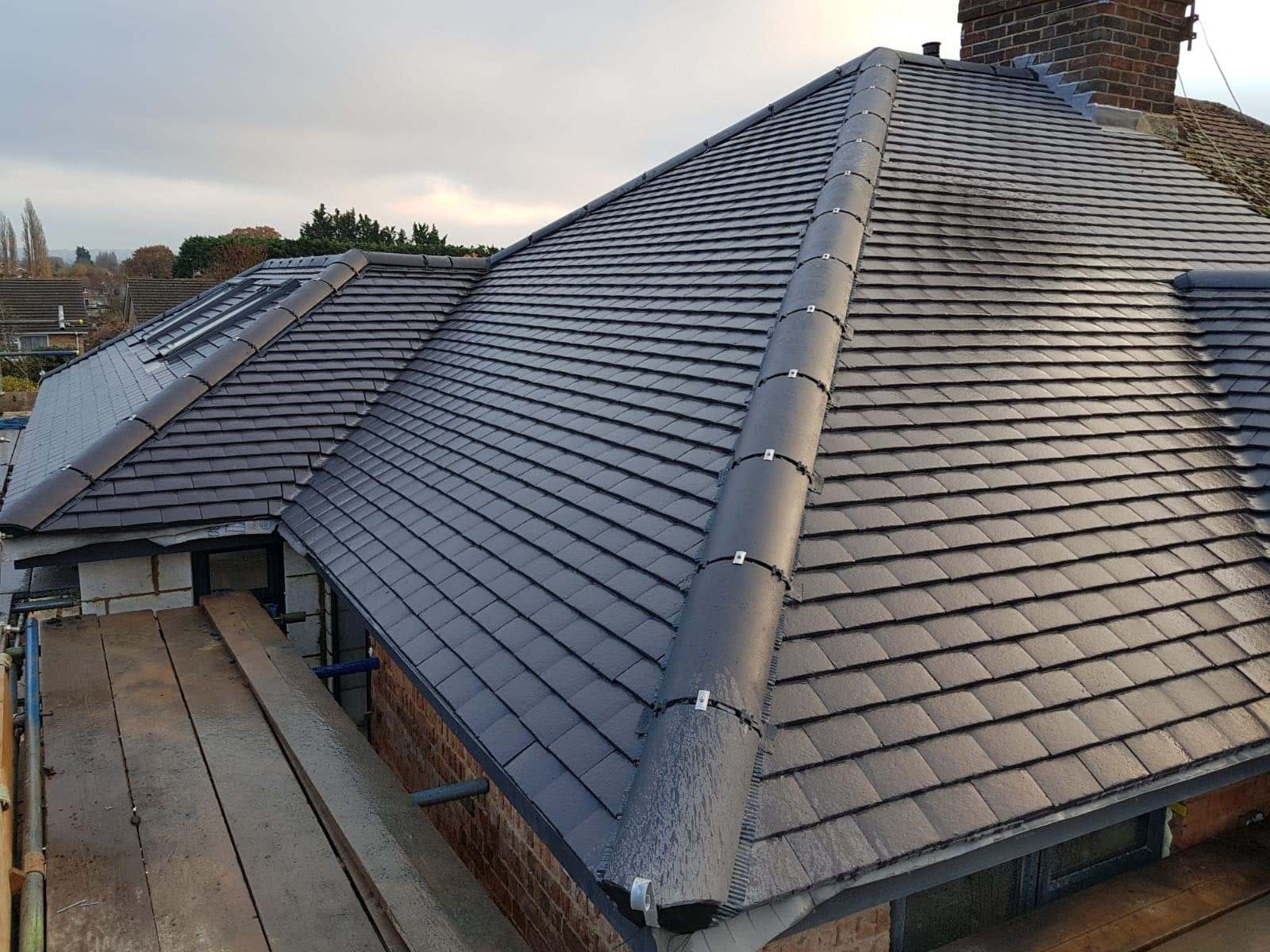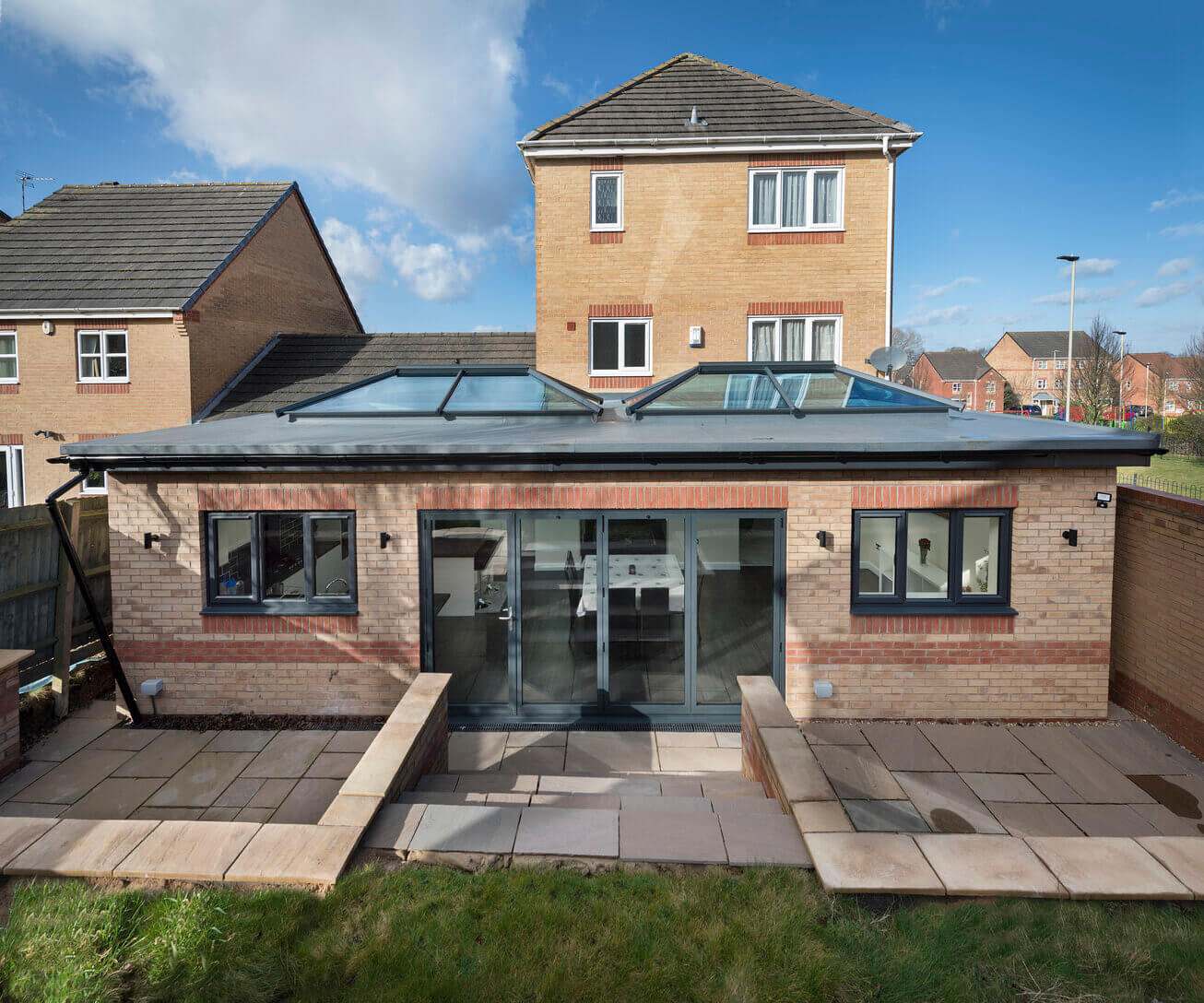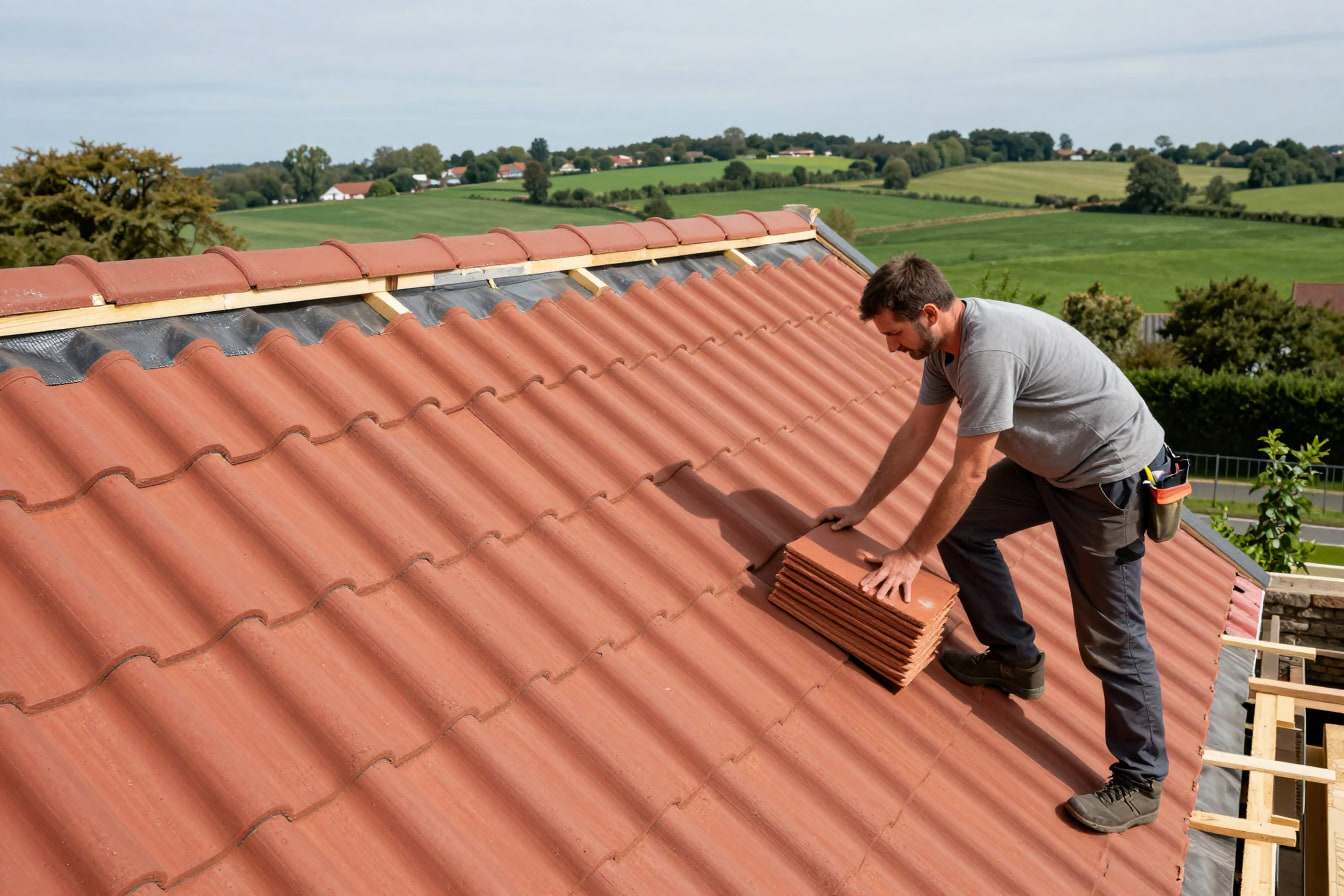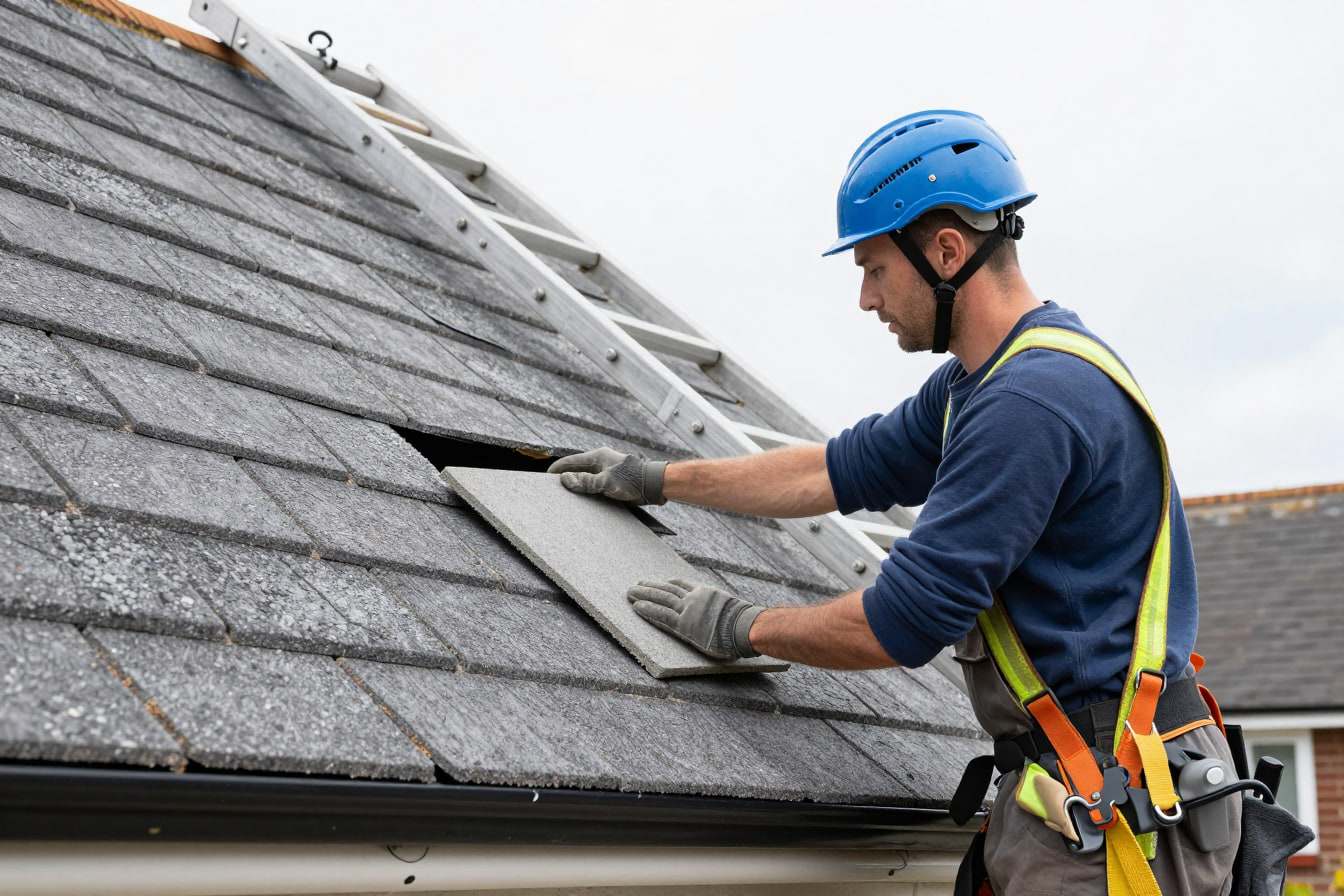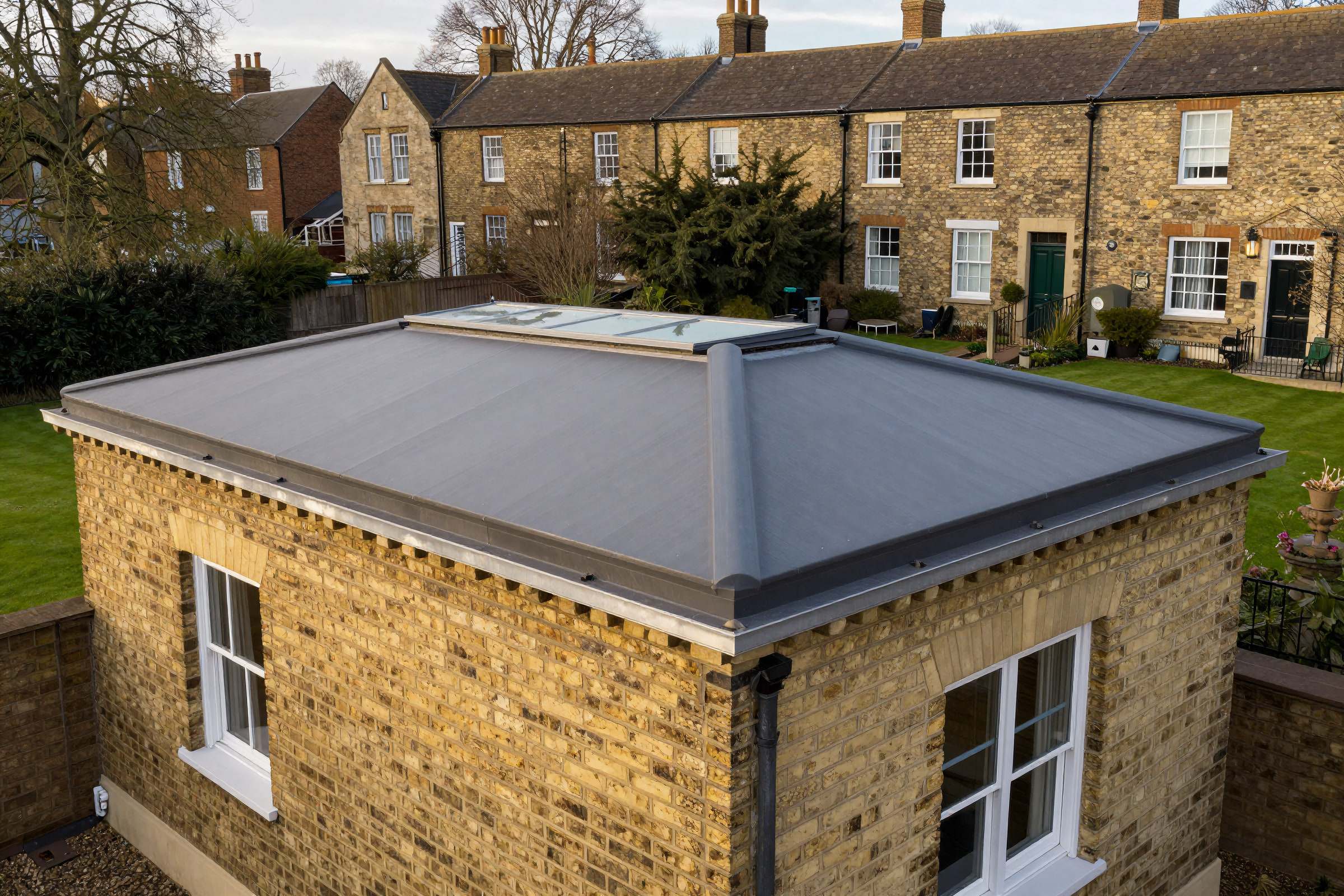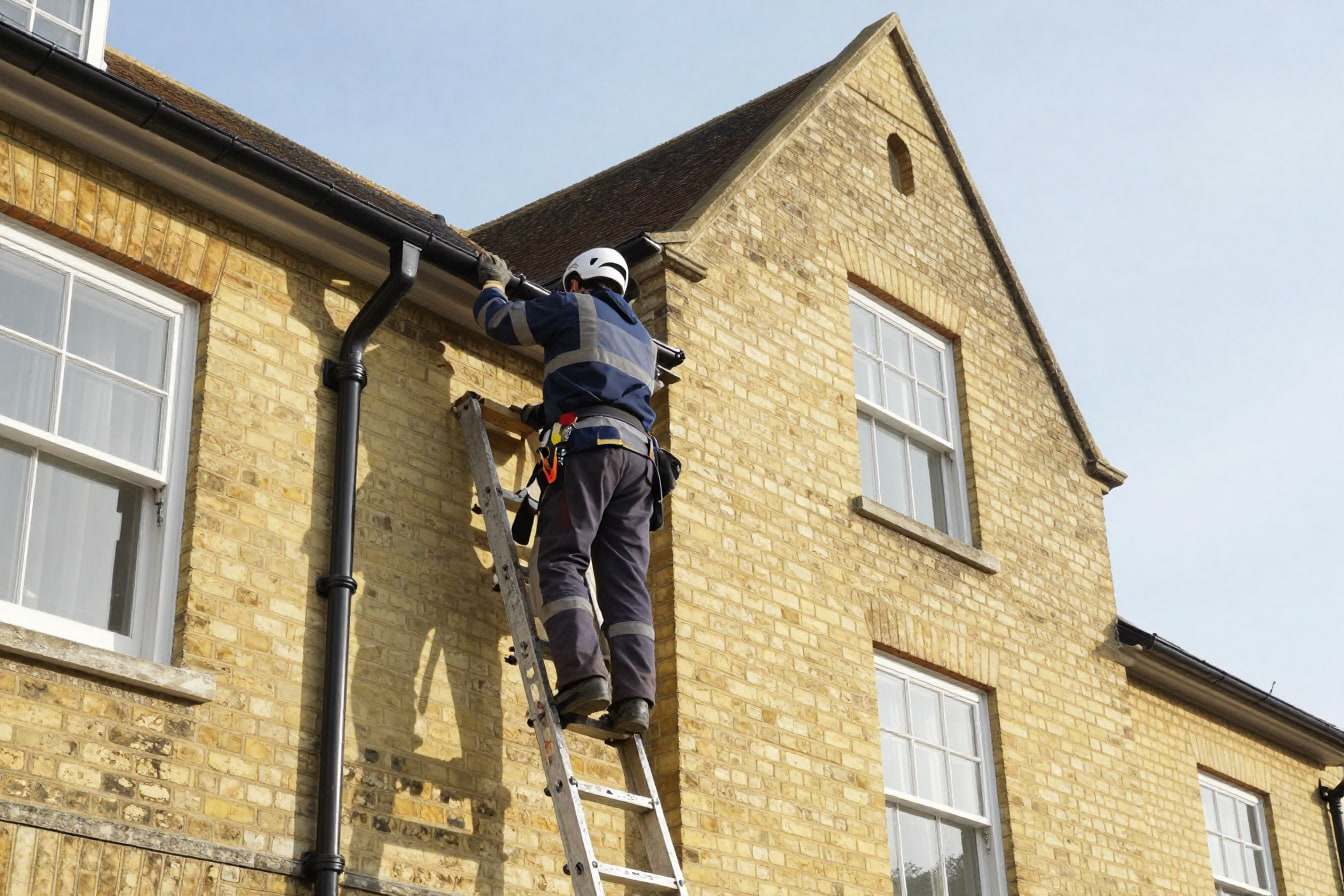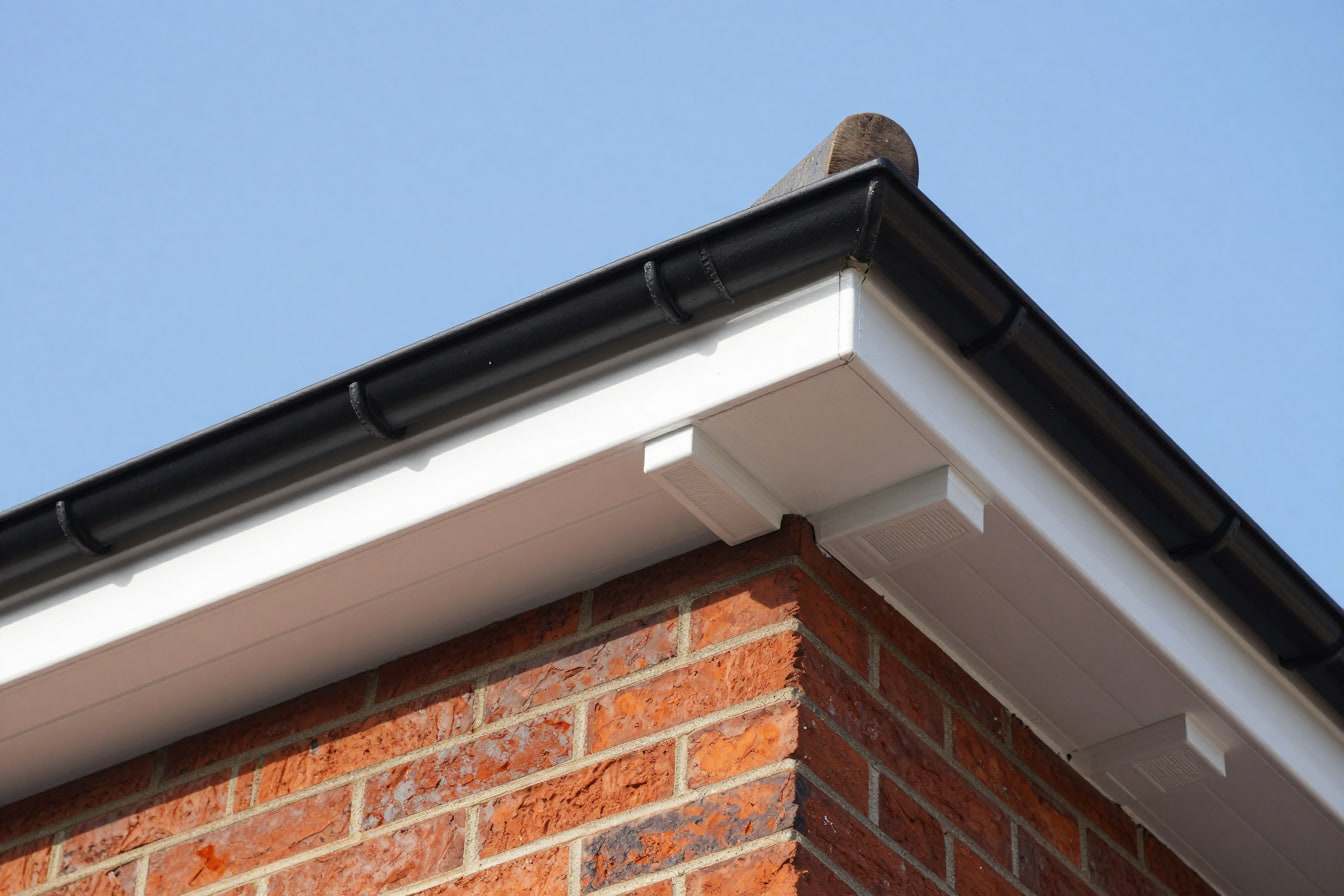
- Slate, clay & concrete tile roofs
- Insulation upgraded to Part L
- Scaffold and permits planned in
- Itemised written quotes
- 10-year insurance guarantee
New roofs installation Cambridge
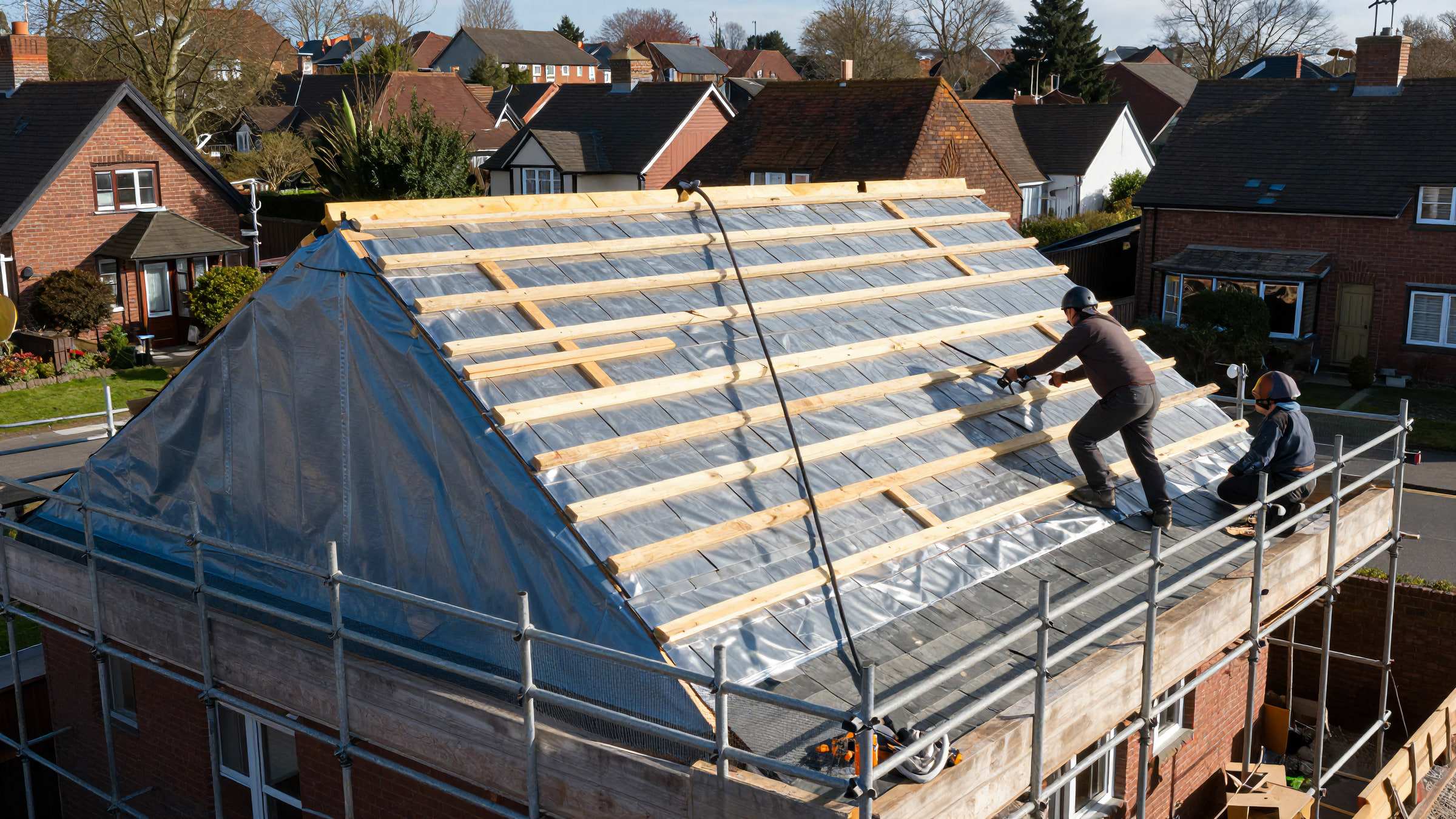
Roofing Cambridge is your go-to expert for quick and cost-effective roof installations and replacements. Whether you are constructing a new home or your current roof is beyond repair, our team is equipped to build your roof from scratch. We pay meticulous attention to key structural elements, such as insulation and tiling, ensuring every project meets our high standards.
We’re confident in the skills and expertise of our roofing team for all new roof installations and repairs. Therefore, we give you complete peace of mind, knowing you’re covered should any issues arise.
Interested in our roofing services? Roofing Cambridge is the local roofing installation specialist you need. Give us a call today; we offer free advice, making it easy to get started on your roofing solutions.
New roofs installation Cambridge – Why Roofing Cambridge?
Likewise, at Roofing Cambridge, our commitment to delivering excellence is paramount in every project we undertake. Our professional team, passionate about roofing and customer satisfaction, will fulfil your project with ease. Therefore, we use only the highest quality materials and the latest techniques to provide you with a roof that is built to last.
Ultimately, we understand that a new roof is a significant investment, and our goal is to make the process as smooth and stress-free as possible. Therefore, with Roofing Cambridge, you can expect transparent pricing, timely execution, and indeed open communication throughout every phase of your roofing project.
Interested in a new roof installation? Contact Roofing Cambridge today without hesitation to schedule a free consultation. Let us help you elevate your home’s safety, efficiency, and kerb appeal with a new, expertly installed roof.
What a new roof costs in Cambridge
The Federation of Master Builders’ guide, using prices from Novello Chartered Surveyors, puts a full strip and re-tile at about £7,500–£12,500 for a two-bed terrace, £10,000–£15,000 for a three-bed semi and £15,000–£20,000 for a four-bed detached house. Labour makes up roughly 40% of the budget. Checkatrade’s 2026 Cambridge figures land in the same range, with a typical roof replacement here costing £5,443–£12,297 and averaging about £8,134, so there is no sign of a big Cambridge premium.
What moves the price:
- The covering – natural slate and clay cost more to buy and fit than concrete tiles.
- Scaffolding and access – terraced streets with front doors on the pavement need a licensed pavement scaffold.
- Stripping and disposal – removing the old roof adds £1,000–£2,500, plus a skip at about £320 a week.
- Timbers – rotten rafters or wall plates only show once the roof is open; we photograph and price them before going further.
- Extras – loft insulation, chimneys, roof windows, and new fascias, soffits and gutters.
Not sure you need a whole new roof? Plenty of roofs only need a targeted repair; see roof repairs and replacements. Our new roof cost guide explains every line item.
Slate, clay or concrete: choosing the covering
| Covering | Supply and fit, per m² | Typical lifespan | Best suited to |
|---|---|---|---|
| Natural slate | £160–£275 | 100+ years | Victorian and Edwardian terraces, conservation areas |
| Clay tiles | £160–£275 | 50–60 years | Period homes and village properties |
| Concrete tiles | £120–£230 | 25–40 years | Post-war and modern homes, tighter budgets |
Prices are Checkatrade’s 2026 supply-and-fit ranges; lifespans are typical ranges from its guides. Fibre-cement slate is a cheaper look-alike: the FMB puts it at around £23 per m² for materials against about £53 for natural slate. On a Victorian street the real thing is usually worth it, as our slate vs tile guide explains.
New roofs on Cambridge homes
About 30% of Cambridge’s homes were built between 1945 and 1982, and many concrete-tiled roofs on estates like Arbury and King’s Hedges are reaching the end of their first covering. A re-roof there is usually straightforward: strip, new membrane and battens, new tiles, and a dry ridge and verge that won’t need repointing.
Victorian and Edwardian terraces are a different job. The slates are often worth saving even when the nails have failed, so we strip carefully, re-lay the good slates and top up with matching reclaimed slate. Where solar panels are fitted, as on many newer homes in places like Eddington, a solar installer has to isolate, remove and refit them around the re-roof, so we plan that into the programme.
What a new roof involves, step by step
- Survey and quote – a drone or ladder survey, a look in the loft, and an itemised written quote.
- Permissions and access – we check planning and conservation status, agree the Building Regulations route and book the scaffold. If there are signs of bats, we take advice before any stripping.
- Strip – the old covering, battens and underlay come off into a skip, and reusable slates are set aside.
- Check the structure – rafters and wall plates are inspected, then repaired or strengthened where needed.
- Membrane, battens and insulation – breathable membrane and new battens go on, and loft insulation is topped up (Checkatrade recommends at least 270 mm of glass wool or 250 mm of rock wool) with ventilation kept clear.
- Cover and finish – tiles or slates, ridges and verges, and new leadwork at chimneys and abutments. While the scaffold is up, it is the cheapest time to renew fascias and soffits and gutters.
- Sign-off and handover – Building Regulations compliance confirmed, site cleared, photos of the finished roof and your guarantee in writing.
How long does a new roof take?
On site, Checkatrade puts a typical re-roof at anywhere from three days to three weeks, depending on the size of the roof, its details and the weather. Much of the waiting happens beforehand: Cambridgeshire County Council asks for at least 15 working days to process a pavement scaffold licence and 10 working days for a skip permit on the road.
Roofing stops in strong wind (trade guidance says from around force 5), so we build weather days into the programme. You can normally stay at home throughout.
Planning permission and Building Regulations
- Planning: replacing a roof like-for-like usually needs no planning permission, and in Cambridge’s 18 conservation areas houses normally keep that right unless an Article 4 direction or planning condition says otherwise. Dormers and roof extensions in conservation areas do need permission, flats have no permitted development rights, and listed buildings need listed building consent.
- Building Regulations: if more than 50% of a roof is renovated, or more than 25% of the whole building envelope, Approved Document L expects the whole roof to be upgraded to 0.16 W/m²K where technically and economically feasible. The new 2026 edition, in force from 24 March 2027, keeps the same rules for roofs.
Our planning permission guide covers the details for Cambridge and South Cambridgeshire.
Our guarantee on new roofs
Every new roof installation comes with our 10-year insurance guarantee, set out in writing at handover, and any repairs we carry out are covered by our 5-year warranty.
| Job | Typical price |
|---|---|
| New roof, 2-bed terrace (about 60 m²) | £7,500–£12,500 |
| New roof, 3-bed semi (about 80 m²) | £10,000–£15,000 |
| New roof, 4-bed detached (about 120 m²) | £15,000–£20,000 |
| Roof replacement (typical Cambridge job) | £5,443–£12,297 |
| Strip and remove the old roof (extra) | £1,000–£2,500 |
| Skip (6–8 yard) | about £320 per week |
| New roof structure (timbers) | £6,500–£20,000+ |
Guide prices from the FMB's new roof cost guide (November 2025, prices from Novello Chartered Surveyors) and Checkatrade's Cambridge and UK roof replacement data (2026). Checkatrade figures exclude VAT; scaffolding is extra unless stated. We always fix the price in writing after a free survey. Get your exact price.
Signs you may need a new roof
- Repairs needed every year or two, each time in a different place
- Slipped tiles or slates across several slopes, not just one
- Widespread nail sickness on an old slate roof
- Concrete tiles that are eroded, porous or crumbling
- Torn, perished or missing underlay visible in the loft
- A sagging ridge or dipping roof slopes
- Damp or daylight in the loft even after repairs